

Between places, cultures, and nations —
I build bridges.
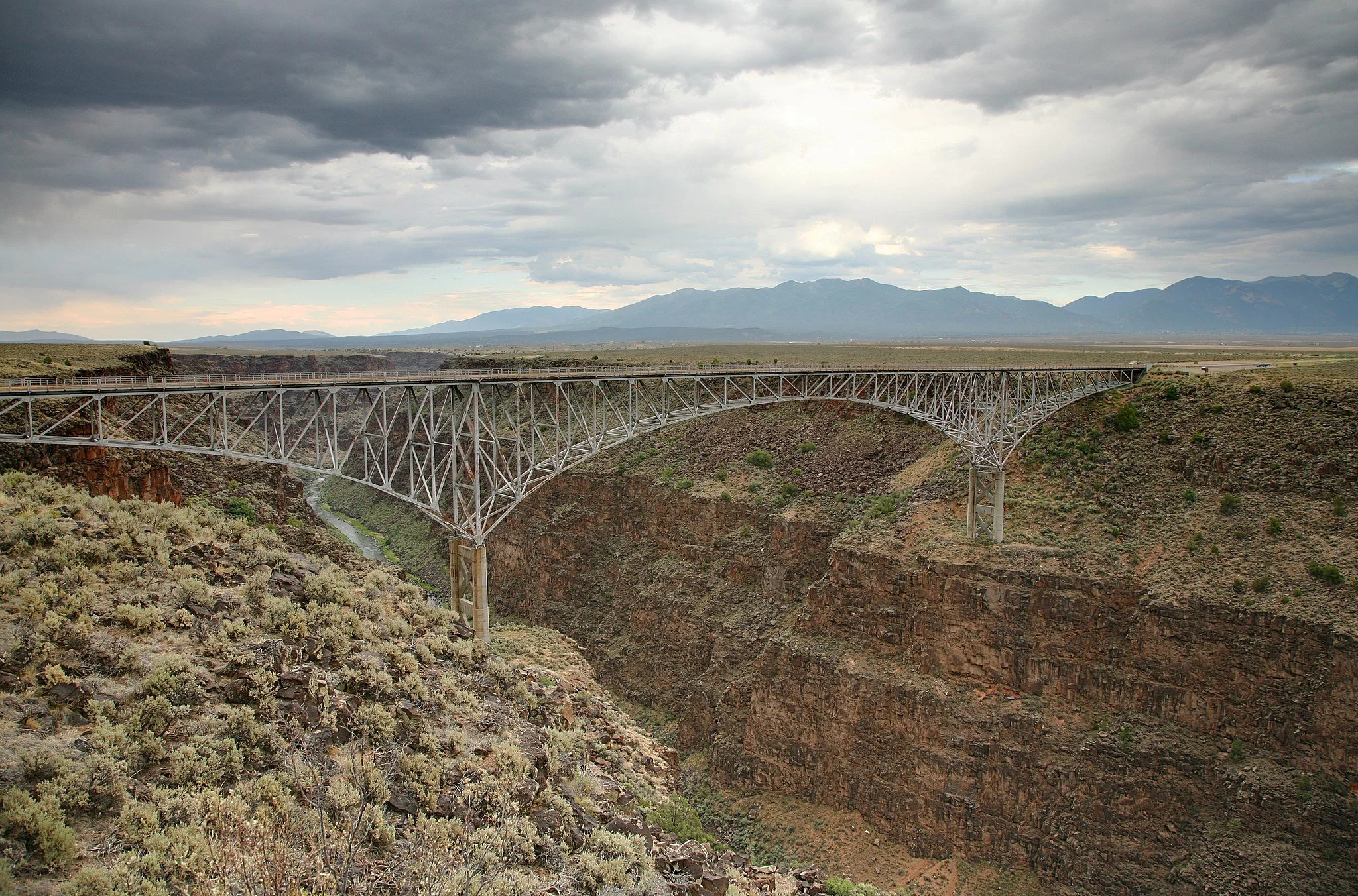
[Alt text: Image of the Río Grande Gorge Bridge outside of Taos, New Mexico.]
Header photo: Rio Grande Gorge Bridge near Taos, New Mexico. Image by Daniel Schwen, via Wikimedia Commons (CC BY-SA 4.0).
Have we met? I'm Lisa L. Munro, Ph.D.
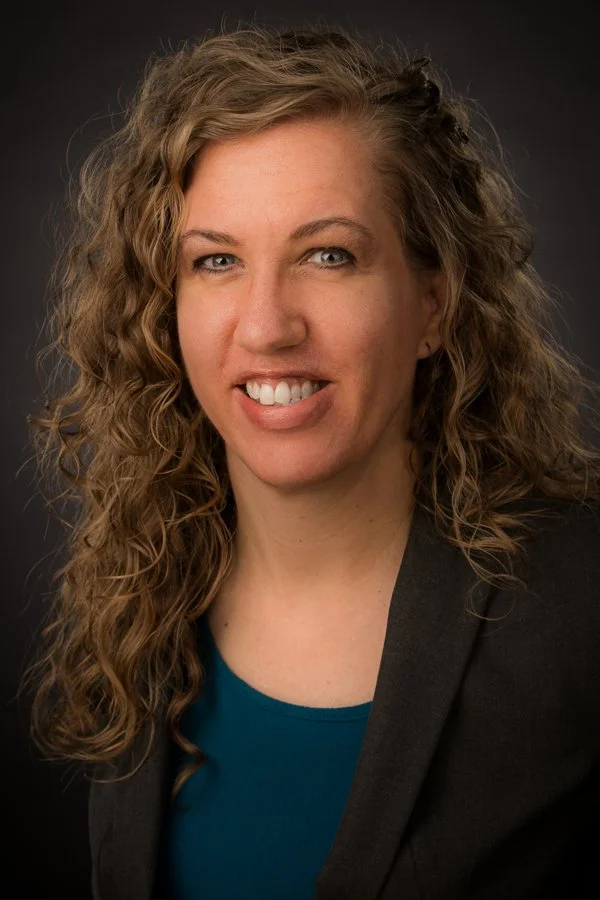
I’m Lisa L. Munro, PhD, founder of Bridging the Americas and the historian, strategist, pragmatist, and institutional problem-solver organizations turn to when they’re tired of worn-out international strategies and partnership efforts that still don’t work. My work focuses on complex institutional and cross-border problems, particularly across the U.S.–Mexico relationship.
I work with organizations that are fed up with good ideas getting stuck, promising partnerships going nowhere, and institutional knowledge disappearing every time somebody changes jobs. Because the organizational chart, strategic plan, policy, or signed agreement will only tell you so much. The rest is people, power, relationships, history, knowledge, and unwritten rules.
I’m inviting you to my revolution, which involves the apparently radical practice of figuring out how things work before trying to change them.
I bring the investigative habits of a historian to practical institutional problems: uncovering how decisions get made, where knowledge lives, who has influence, what happened before, and what keeps getting in the way. Then I help you turn what we learn into stronger strategy, more durable partnerships, and systems that actually work.
Things don't have to (not) work this way. Let’s figure out how to make them work better.
HERE'S WHY I DO WHAT I DO.
I hate watching good ideas, valuable relationships, institutional knowledge, time, and human effort go to waste because nobody understood the system around them.
I believe things can work better.
But changing a system starts with understanding how it actually works. Who has power. Who knows what. What happened before. What the rules say. What people actually do. What nobody has bothered to write down.
Things don't have to work this way. We can make them better.
I’ve always believed ideas can change the world.
But I used to think difficult problems were mostly about finding better answers. Do the research. Understand the problem. Develop the strategy. Make the case. Iterate and reiterate.
Then I spent years trying to make things happen across actual institutions and between countries.
And I learned that having the right answer doesn't mean anything is going to happen.
Then I spent years working across institutions in the United States, Mexico, and Latin America and learned that good ideas and nice intentions aren't enough.
Institutions have histories. They have formal rules and unwritten ones. They run on relationships, incentives, organizational cultures, and institutional knowledge. The people with authority aren't always the people who know how to get things done. And a frankly astonishing amount of important information lives in somebody's inbox.
Once I learned to see institutions this way, I couldn't unsee them.
I started asking different questions. Who has power here? What does each side actually want? What happened the last time somebody tried this? What knowledge are we about to lose when someone leaves? What does the system actually do? And what happens when the policy, strategic plan, organizational chart, or partnership agreement doesn’t do what it’s supposed to do?
Somewhere along the way, I realized that my training as a historian and my work as a practitioner weren't separate at all.
Historians ask how things got this way, who made decisions, whose interests mattered, what changed, what persisted, and what the official account leaves out.
Those turn out to be pretty useful questions when you're trying to change something in the present.
WHAT ARE YOU HOPING TO CHANGE IN YOUR WORLD?
If you’re a director or senior leader responsible for international work that should be moving forward, but you’re chasing information, reconstructing old decisions, and relying on a handful of people to remember what happened last time, let’s talk.
The partnership looked promising, but nothing happened after the agreement was signed. The strategy made sense on paper, but fell apart in practice. The person who knew everyone left and apparently took the institutional memory with them. Everyone keeps holding meetings, sending emails, and working harder, but somehow you're still solving the same problems.
Or maybe you’re trying to move an international deal forward but can't figure out who's really in charge. On paper, everything is signed and ready to go. Then nothing happens. People stop returning your calls and emails.
It's not your fault that this keeps happening.
The problem usually isn't effort. You're working with only part of the picture.
The organizational chart, policy, strategic plan, or partnership agreement tells you how things are supposed to work. But people, power, relationships, history, knowledge, incentives, and unwritten rules help explain what actually happens.
You don't need to work harder. You need to see more clearly what, and more importantly, WHO you're really working with.
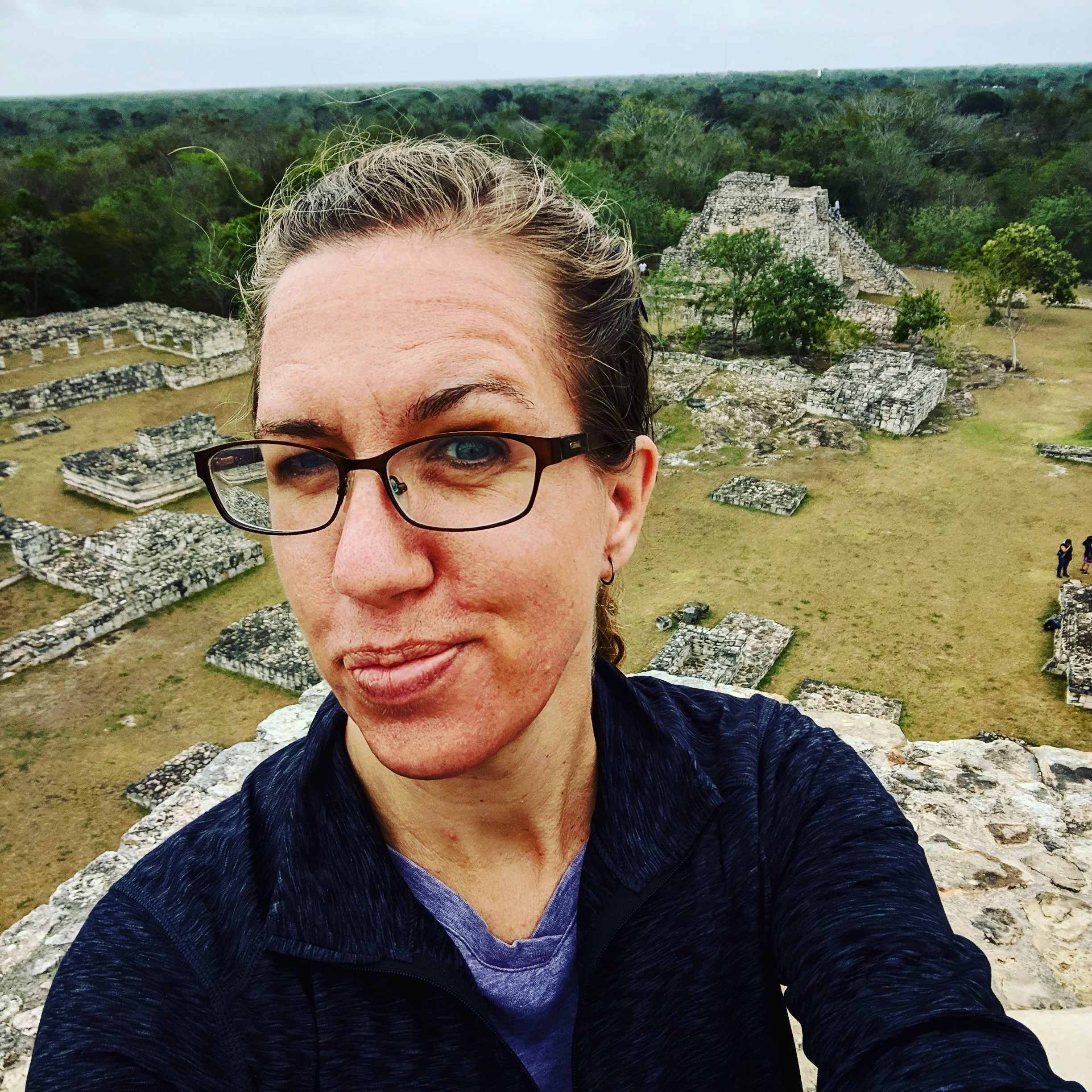
Friday at the office.
Mayapán, Yucatán
This is the part where I come in.
I’m guessing you’re struggling to square your organization’s plans with what’s actually happening on the ground and aren’t sure how to get your work moving again. Why does the partnership keep stalling? Who actually has the authority to move the deal forward? Why did the strategy that looked perfectly reasonable on paper fall apart in practice? What happened the last time somebody tried this? Who knows what, who knows whom, and what has nobody bothered to write down?
I find out. I read documents. I talk to people. I analyze data. I go see the problem for myself. Then I connect the dots for you.
Then I help you use what we learn to get YOUR stalled international work moving again.