


Essays
Essays on power, infrastructure, and the emotions that hold them together.
These essays are in development — part of an evolving body of public writing that connects history, infrastructure, and emotion across the Americas. Each one traces a different system through which power takes shape: the universities that decide whose knowledge counts, the markets that trade on longing, the designers who sought the “primitive,” the cities rebuilt by austerity. Together, they explore how systems of governance, control, and desire linger in our material and imaginative worlds — and how people continue to move, build, and feel their way toward something more public, more possible, and more just.
The Cultural Romance with Death on Route 66
How America’s nostalgia for the open road became a politics of neglect—where the dream of mobility leaves its dead along the curb.
This essay analyzes how nostalgia for America’s “Mother Road” obscures the violence of its present. Along Albuquerque’s Central Avenue—once celebrated as freedom’s highway—pedestrian fatalities now mark the asphalt. Our longing for the open road has become a cultural romance with death, where the dream of mobility keeps killing the people still trying to move.

The End of Soft Power
International Education and Epistemic Control
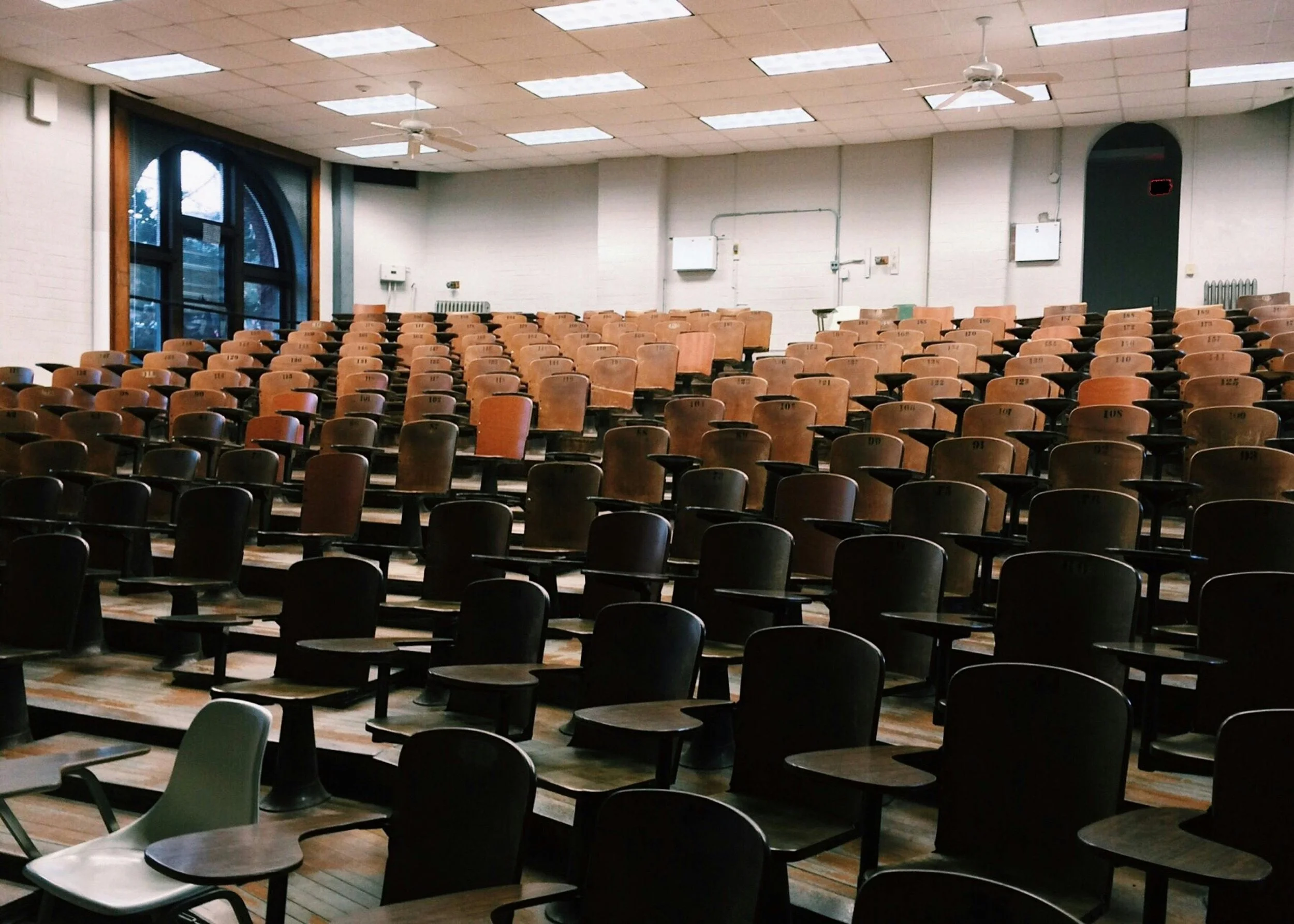
Once imagined as a tool of mutual understanding, international education has become something else entirely — a system that decides whose knowledge counts and whose doesn’t. Drawing on my experience working in different aspects of international education, this essay traces how global higher education lost its diplomatic promise and what that collapse reveals about power, trust, and the politics of knowing.
Absurdist Geographies of Desire
Emotion, Markets, and the Strange Routes of Global Longing
From Saudi cows eating Arizona alfalfa to Azorean pineapples cultivated for European nostalgia, this essay follows the strange routes of global longing. It asks what happens when emotion, not rational markets, drives global economies — and what these absurd geographies reveal about the enduring entanglement of empire, consumption, and feeling.
Status: In development
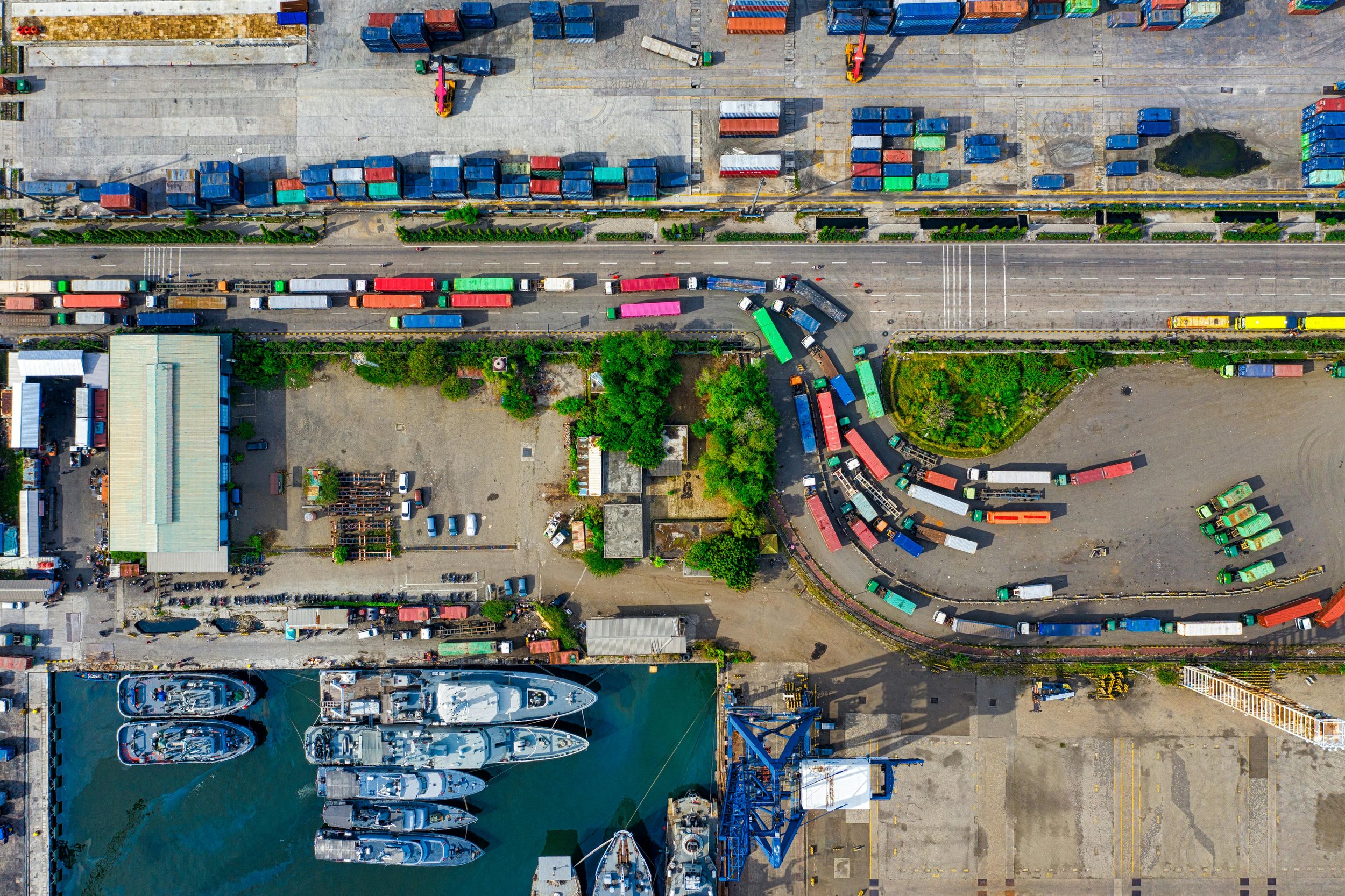
Photo credit: Tom Fisk

Photo credit: Julles Volk Pexcels)
Ruth Reeves and the Invention of the Modern Primitive
Design, Desire, and the Making of Modernist Aesthetics
In 1935, American artist and designer Ruth Reeves traveled to Guatemala in search of “primitive inspiration.” Her journey — part art, part ethnography, part self-mythology — illuminates how modernism built its own identity through imagined others. This essay traces how Reeves’s work transformed Indigenous aesthetics into a new language of modern design, revealing how desire, imitation, and erasure became woven into the fabric of the modern itself.
Infrastructure Without a Public
State Failure, Market Logic, and the Broken Architecture of Belonging
Across Latin America and the United States, the physical city bears the scars of two overlapping failures. First, the retreat of the state — sidewalks that crumble, buses that never come, water systems left to decay. Then, the neoliberal promise that privatization would repair what government abandoned. It didn’t. Instead, market logic remade the city in its own image: efficient, extractive, and profoundly unequal.
This essay traces how austerity and privatization reshaped the built environment itself, turning public infrastructure into a test case for civic imagination. If neither state nor market can sustain the public, what forms of repair — collective, local, improvisational — might rebuild it?
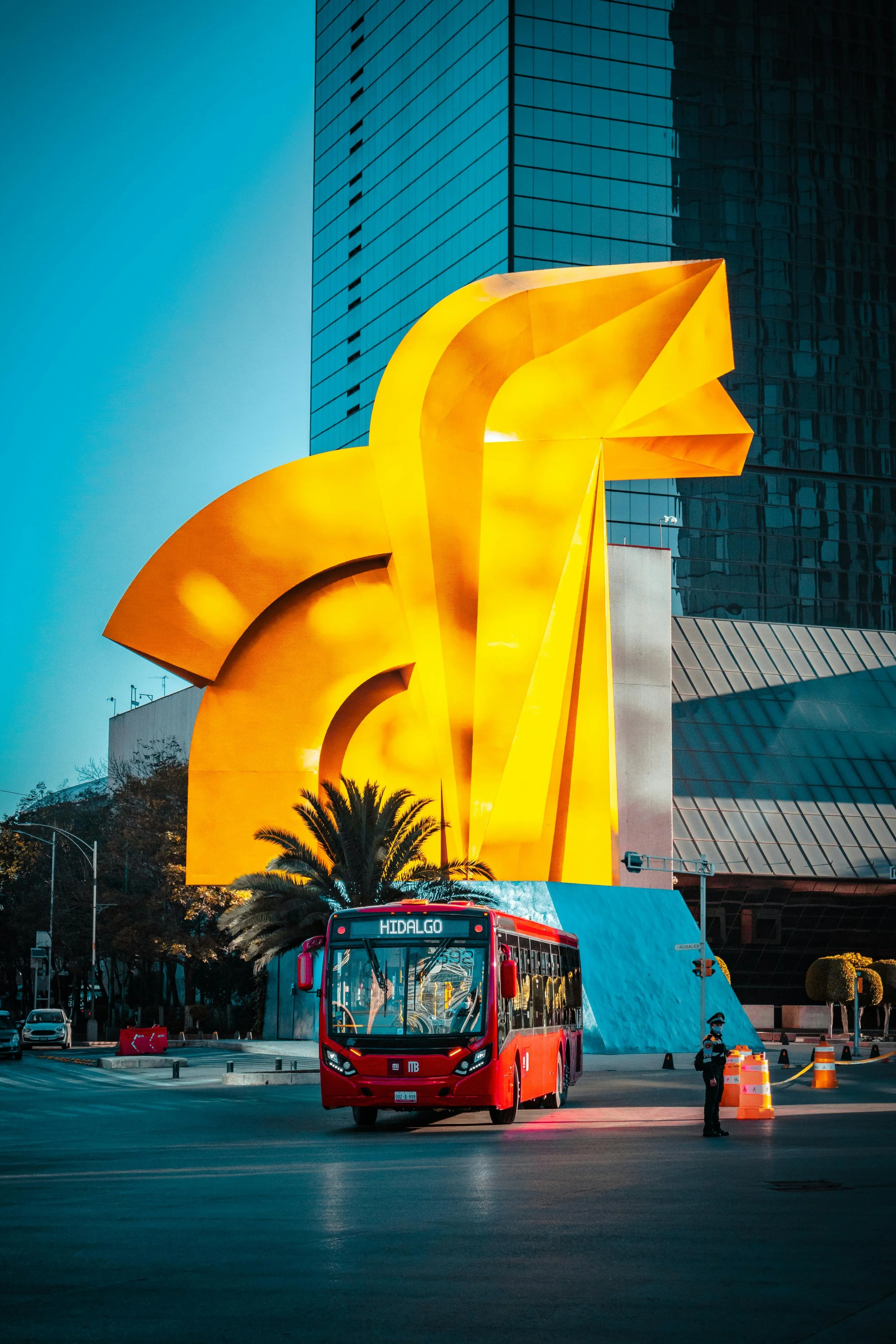
Photo by Andres Ordaz Vega (Pexels)