


Partnership Development
You know that a signed agreement isn’t a partnership.
Partnership development is a long-term commitment. It requires trust, showing up, and infrastructure to make sure you’re building something that lasts and not just sending email out into the void and calling it engagement.
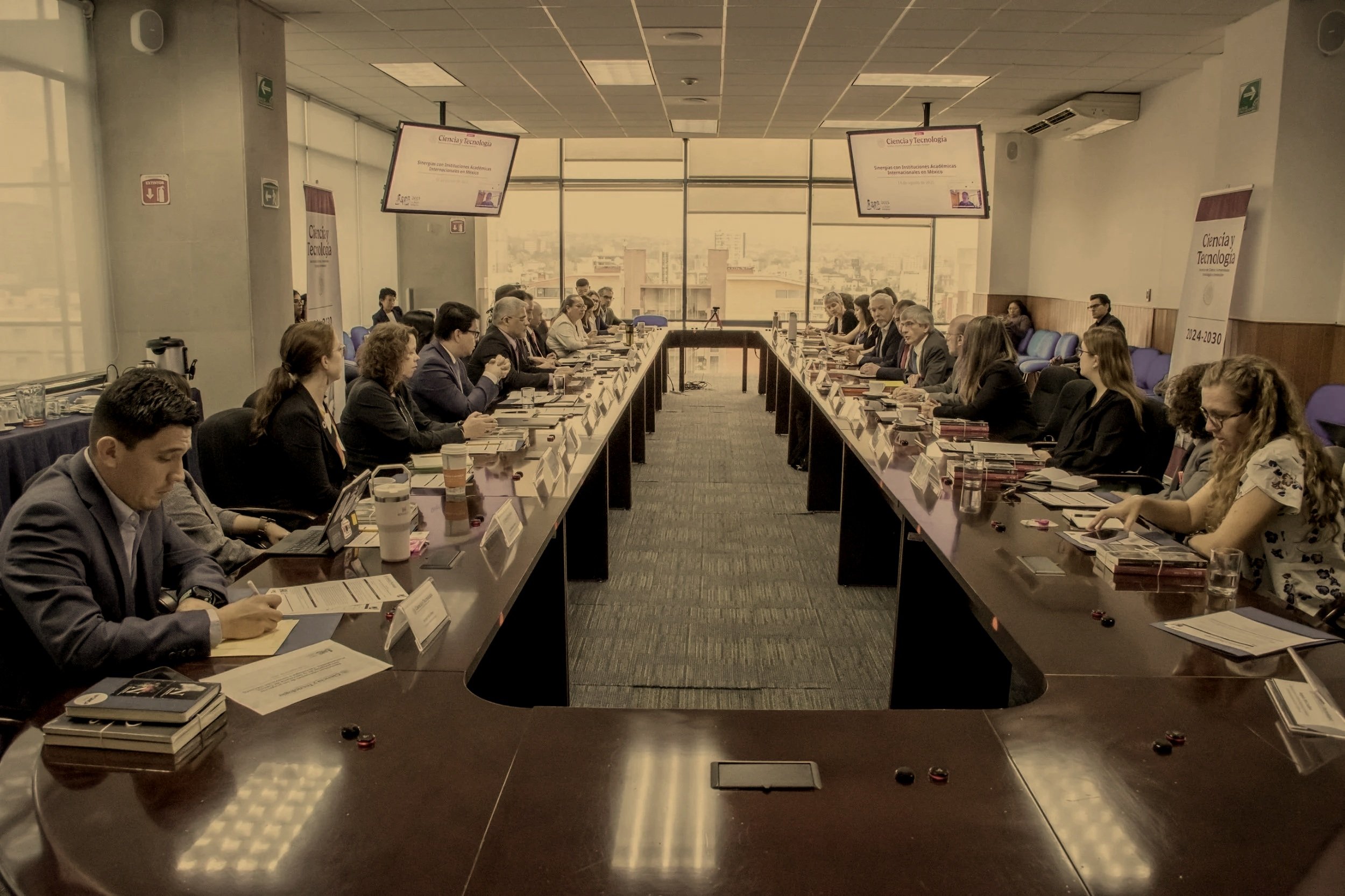
U.S. and Mexican representatives meeting on science and technology cooperation at SECIHTI in Mexico City. August 2025.
We've both seen this movie. The partnership looked and sounded great on paper. And then, little by little, it started falling apart.
Maybe the people who championed it moved on. Communication became sporadic. Nobody was quite sure who was responsible for what. Promised activities never materialized. Priorities changed. Eventually, a relationship everyone once seemed excited about became something no one was really managing.
And now you find yourself doing another partnership post-mortem, trying to figure out what went wrong—and wondering whether any of it could have been prevented.
It probably could have been.
Partnerships don't fail because people don't care.
Usually, people care enormously. The problem is that organizations often mistake good relationships for partnership infrastructure.
A committed person can start a relationship. They can nurture it, solve problems, make introductions, remember the history, and know exactly who to call. But if all of that lives in one person's head, inbox, and personal relationships, you don't have an institutional partnership. You have a person holding an institutional partnership together.
And across borders, things get even more complicated.
Binational partnerships bring together institutions with different organizational cultures, expectations, decision-making processes, timelines, and ways of building trust. What seems obvious to one partner may not be obvious at all to the other. A missed response, an unexpected delay, or a disagreement about who has authority to make a decision can easily be interpreted as a lack of interest or commitment when something else entirely is going on.
That's why I approach partnership development as institution-building. Strong partnerships need relationships, systems, alignment, and continuity—and enough cultural and institutional fluency to understand what's happening when things don't go according to plan.
Partnerships in Practice: An Institutional Infrastructure and Memory Project
“Who do we know in Chihuahua?”
It really should have been a simple question, but for this small U.S.-Mexico partnership office, answering it required institutional archaeology.
“Ask Kevin.”
“I think I have an email from someone in Chihuahua somewhere. I’ll look.”
“Have you checked Martha’s spreadsheet?”
No one could reliably tell me who the institution actually knew.
We relied on emails, five spreadsheets, personal memory, and emailing someone who left the organization years ago.
The problem wasn't that the organization didn't have relationships. It had decades of them.
The problem was that no one could reliably tell you what those relationships were, who owned them, when someone had last been in touch, what had been discussed, or what had happened next.
That knowledge was scattered across inboxes, spreadsheets, old files, and—most precariously—people's memories.
And we had no CRM.
Not Salesforce. Not another relationship-management platform. Nothing. Zip. Nada.
So I built one from scratch using the tools we had.
And the next time someone asked, “Who do we know in Chihuahua?”
We knew. We now had DATA INFRASTRUCTURE.
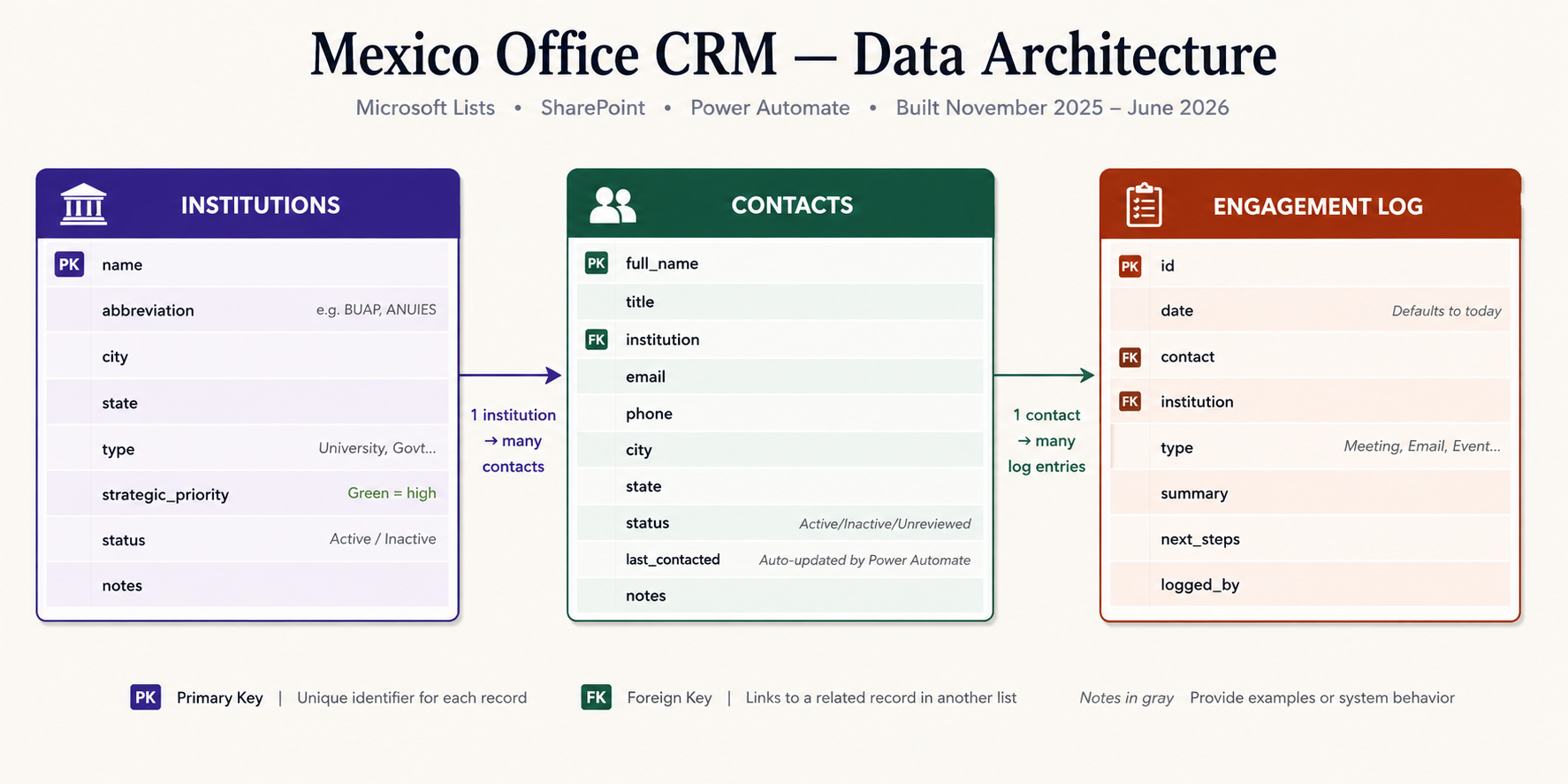
I designed this system for partnership work, not just data collection. The system connected institutions, people, and engagement history—and automated key updates—so relationship intelligence could become shared, usable institutional knowledge and memory.
What might be possible if you didn’t have to constantly reinvent the wheel?
I designed a relational system connecting institutions, individual contacts, and engagements so that we could answer some very basic questions: Who do we know? How do we know them? When did we last talk? What happened? What needs to happen next?
Within six months, the system tracked 100+ organizations, 170 contacts, and 400+ engagements.
But the database wasn't really the point.
Building shared institutional memory was.
We turned scattered individual knowledge into an organizational asset that could support follow-up, reveal gaps and opportunities, inform strategy, and survive personnel changes.
Look, if you're not building institutional memory, you're not building sustainable partnerships.
You're just sending email into the void. (I KNOW. I’M SORRY.)
You're making introductions that nobody records. Having conversations nobody can reconstruct. Building relationships that disappear when someone changes jobs. Spending money on travel, events, delegations, and meetings without creating an institutional record of what any of it produced.
And then, three years later, someone asks, “Who do we know in Chihuahua?”
And you're right back where you started.
Your relationships are valuable organizational assets. Let’s treat them like it.
A partnership that exists only on paper is, technically, paper.
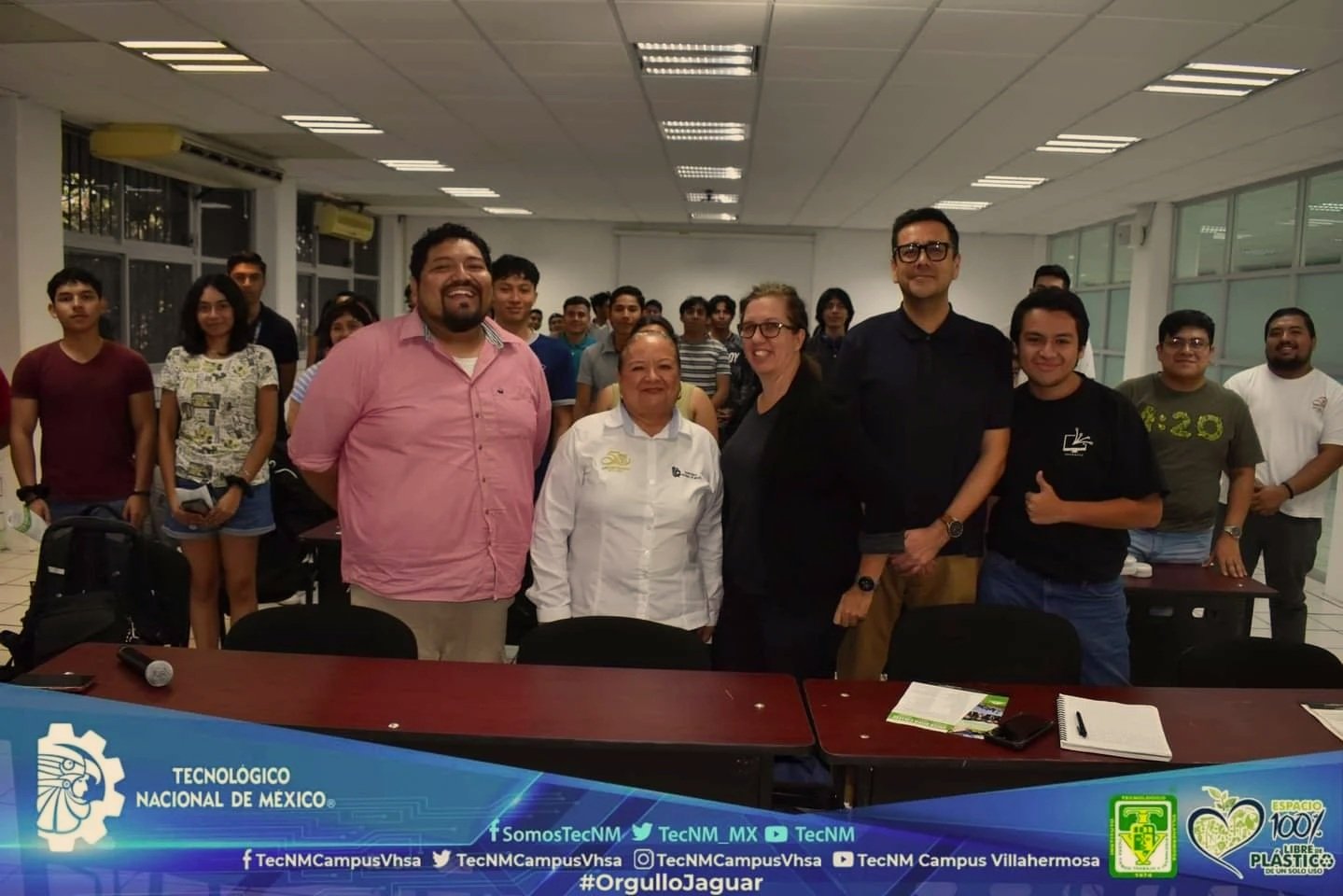
Student recruitment event, Tecnológico Nacional de México, Campus Villahermosa.
I want better for you AND your institutional partners.
I want you to know what you've promised each other.
I want the right people talking to each other.
I want good ideas to become actual projects.
I want institutional knowledge to survive personnel changes.
I want both partners to know what they're working toward, what happens next, and who is responsible for making it happen.
Yep, partnerships sometimes still require showing up and doing the hard work of actually talking to people again and again.
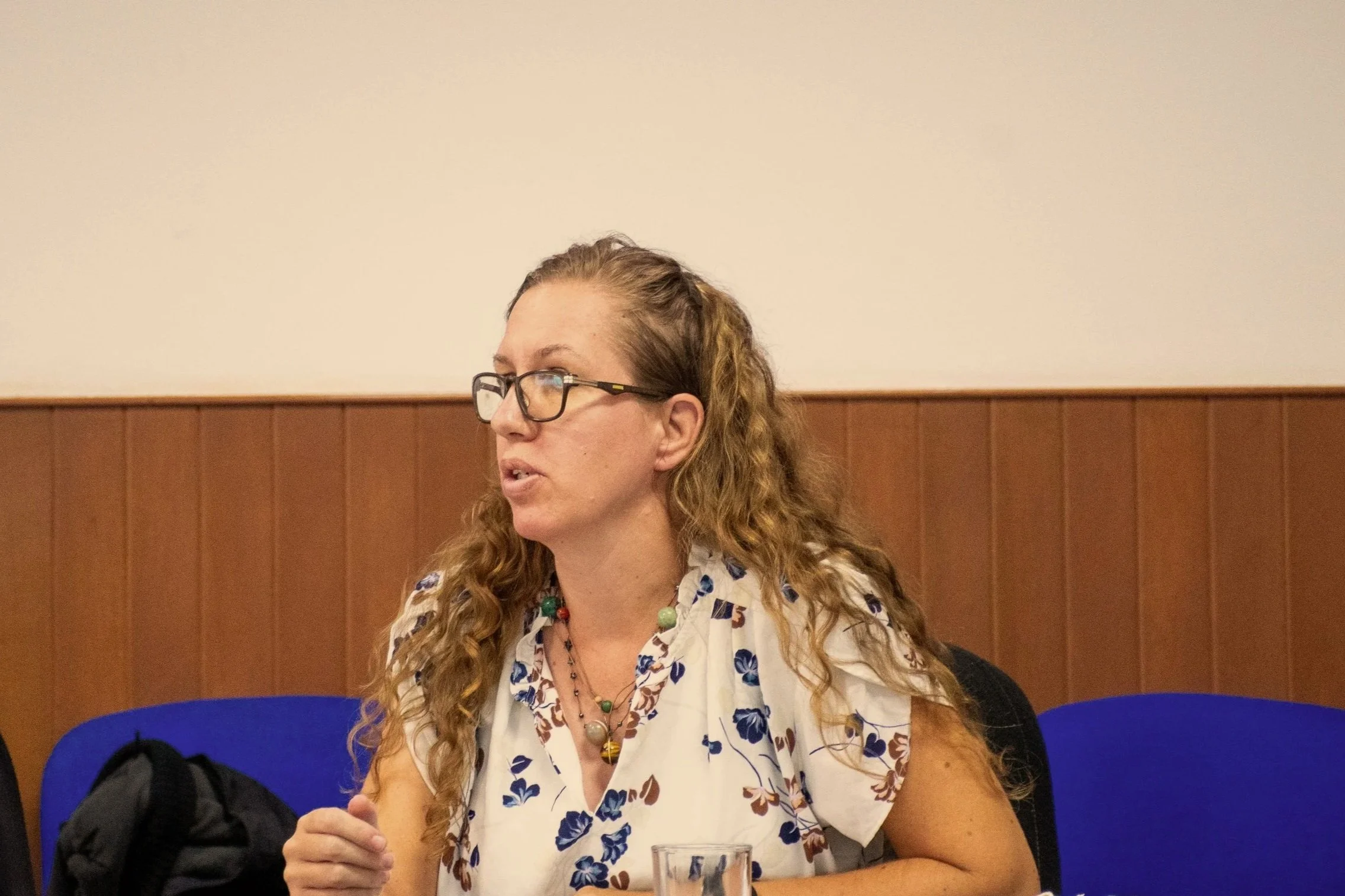
Science and technology cooperation meeting, SECIHTI, Mexico City, August 2025.
Because I don't just want your partnerships to survive.
I want them to succeed wildly.
What can we build together?
Grab some tools. We’re making THINGS BUILT TO LAST.
-
Something isn’t working. Let’s figure out what.
Maybe the partnership has stalled. Maybe everyone is enthusiastic, but nothing seems to happen. Maybe the people who built the relationship have moved on. Or maybe nobody can quite explain what the partnership is supposed to accomplish anymore.
I look at the partnership as a whole: its purpose, people, commitments, communication, institutional context, infrastructure, and follow-through. We identify what’s working, what isn’t, and where the relationship is getting stuck.
You’ll leave with: a clear diagnosis of the partnership, the issues that need attention, and a practical roadmap for getting it moving again.
-
I assess how your organization manages partnership knowledge and build systems that make relationships visible, usable, and durable. That might mean improving an existing CRM, designing relationship-management infrastructure from scratch, establishing workflows and ownership, or making sure critical institutional knowledge survives personnel changes.
Possible deliverables: CRM/data architecture, relationship and engagement tracking, workflows, documentation standards, stewardship systems, transition protocols, reporting, and dashboards.
-
Let's build something worth sustaining.
For organizations developing a new partnership, entering a new market, or expanding an existing relationship. I help you identify the right partners, understand what each side brings to the table, establish mutual value and expectations, and build the governance and infrastructure necessary to keep the partnership moving.
Possible deliverables: partner identification and assessment, stakeholder mapping, partnership strategy, facilitated conversations, mutual-value framework, governance structure, engagement plan, and implementation roadmap.

Partnerships need different things at different moments. Sometimes a promising relationship has stalled and nobody quite knows why. Sometimes the relationship is strong, but the institutional infrastructure around it isn’t. And sometimes you’re starting from scratch and want to build it right from the beginning.
Wherever you are, we can start there.